
Rooftop Dryer Vent Cleaning
Rooftop Dryer Vent Cleaning in Rogers for Buildings Where Vent Access Requires Specialized Equipment and Safety Measures
Vents that prevent rooftop fire hazards
Dryer vents routed through rooftops accumulate lint in vertical runs and exhaust terminations, creating fire risks that standard ground-level cleaning cannot address. Healthy Dryer Vents provides rooftop dryer vent cleaning in Rogers, addressing the specific challenges of vertical vent systems in multi-story homes, townhouses, and commercial buildings. When vents exhaust through the roof rather than exterior walls, lint builds up differently due to gravity and condensation patterns, requiring equipment designed for vertical access and thorough extraction from both ends of the duct system.
Rooftop venting complicates maintenance because lint collects at transition points where horizontal ducts turn vertical, and moisture from temperature differentials causes clumping that restricts airflow more severely than in wall-vented systems. The cleaning process involves accessing both the dryer connection point and the rooftop termination to remove buildup from the entire duct length, including elbows and vertical sections where standard rotary brushes lose effectiveness without dual-point pressure.
Schedule a rooftop vent inspection to determine current blockage levels and cleaning requirements for your specific system configuration.
What Proper Rooftop Vent Cleaning Requires
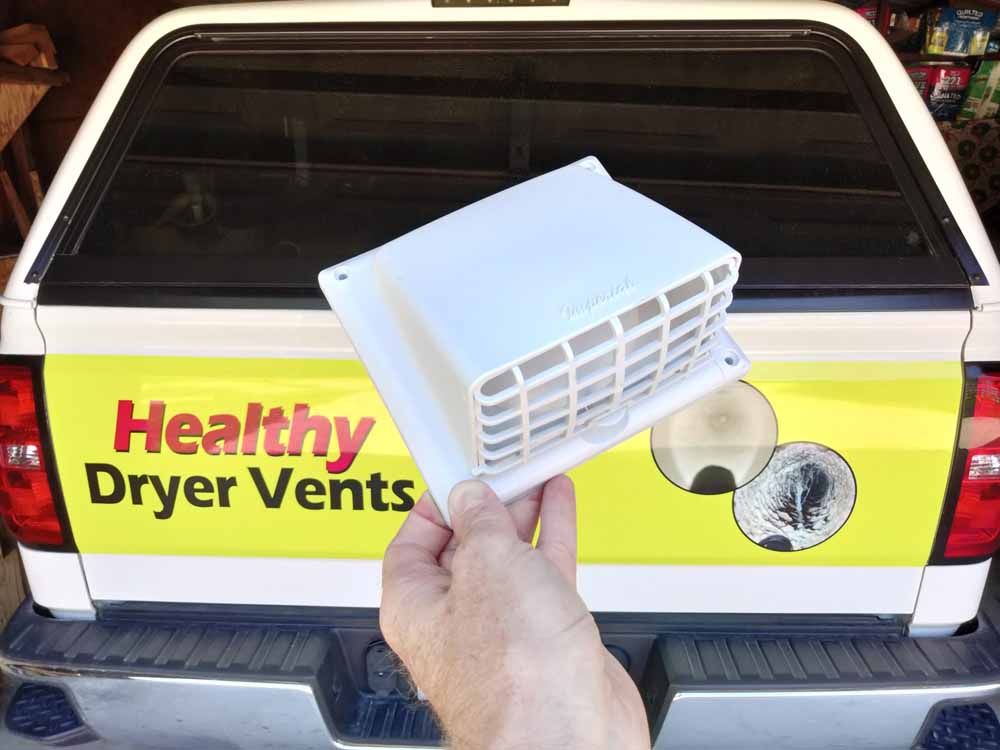
The process begins with rooftop access to inspect the termination hood for exterior blockages, bird nests, or damaged components that prevent proper exhaust flow. Specialized rotary brush systems feed through the vent from both the rooftop opening and the dryer connection point, breaking apart compressed lint while vacuum extraction simultaneously removes debris before it can resettle in lower sections of the duct.
After cleaning, you notice dryer cycles return to normal duration, typically thirty to forty minutes for a full load rather than the sixty to ninety minutes common with restricted rooftop vents. The exterior termination flap moves freely rather than staying stuck closed, and the area around your dryer no longer feels excessively hot during operation because heated air exits properly through the roof instead of backing into your laundry space.
Rooftop systems require more frequent inspection than wall vents because vertical runs allow condensation to form during temperature swings common in Northwest Arkansas, promoting faster lint compaction. Properties with longer duct runs exceeding twenty-five feet or systems with multiple elbows need annual cleaning rather than the two-year intervals sometimes adequate for straight wall vents.
Questions About Rooftop Vent Maintenance
Building owners and homeowners with rooftop vent systems often ask about access requirements, cleaning frequency for vertical configurations, and how to identify when rooftop vents need immediate service rather than waiting for scheduled maintenance.
- What makes rooftop dryer vents more prone to blockages than wall vents? Vertical duct sections allow lint to settle at low points and elbows due to gravity, while condensation from temperature differences between heated exhaust air and cooler duct surfaces causes moisture accumulation that binds lint into dense clumps that restrict airflow more severely than dry lint in horizontal runs.
- How is rooftop access managed during the cleaning process? Technicians use appropriate safety equipment for roof access and work from both the rooftop termination and interior dryer connection simultaneously, allowing debris removal from the entire duct length without relying solely on pushing blockages toward one opening.
- When should rooftop vents be cleaned in Rogers? Annual cleaning addresses the accelerated lint buildup common in vertical systems, particularly before winter when increased dryer use and temperature differentials between warm exhaust and cold exterior conditions create more condensation and faster blockage formation.
- What specific components get inspected on rooftop terminations? The exterior hood, damper flap, and terminal screen receive inspection for physical damage, pest nests, and lint accumulation that prevents the damper from opening fully during dryer operation or closing properly when the dryer is off.
- How do you know if a rooftop vent needs immediate cleaning rather than waiting? Extended drying times beyond forty-five minutes, excessive heat around the dryer, visible lint escaping from the dryer door seal, or a burning smell during operation all indicate restricted airflow requiring immediate attention before fire risk increases further.
Serving All of Northwest Arkansas, Including Fayetteville, AR
Healthy Dryer Vents addresses rooftop vent systems throughout Rogers with equipment designed for vertical duct configurations and safe roof access protocols. Arrange a rooftop vent evaluation to assess your current system condition and establish a cleaning schedule appropriate for your duct length and configuration.